
-
![<iframe src="https://www.facebook.com/plugins/post.php?href=https%3A%2F%2Fwww.facebook.com%2FTalbotHouseMinistries%2Fposts%2Fpfbid029DWb9Xy4Ch5gQpq6gkA98pe9zxuAnyqtYU86sUYGhEa4WQtmf8igGWQasB5VBgGEl&show_text=true&width=500" width="500" height="730" s]()
Giving Back
Believe it or not, I was once homeless.
There are parts of my life I used to feel ashamed to talk about—things I buried so deeply I almost forgot. But those experiences shaped who I am today. I know what it's like to wonder where you're going to sleep or where your next shower will come from.
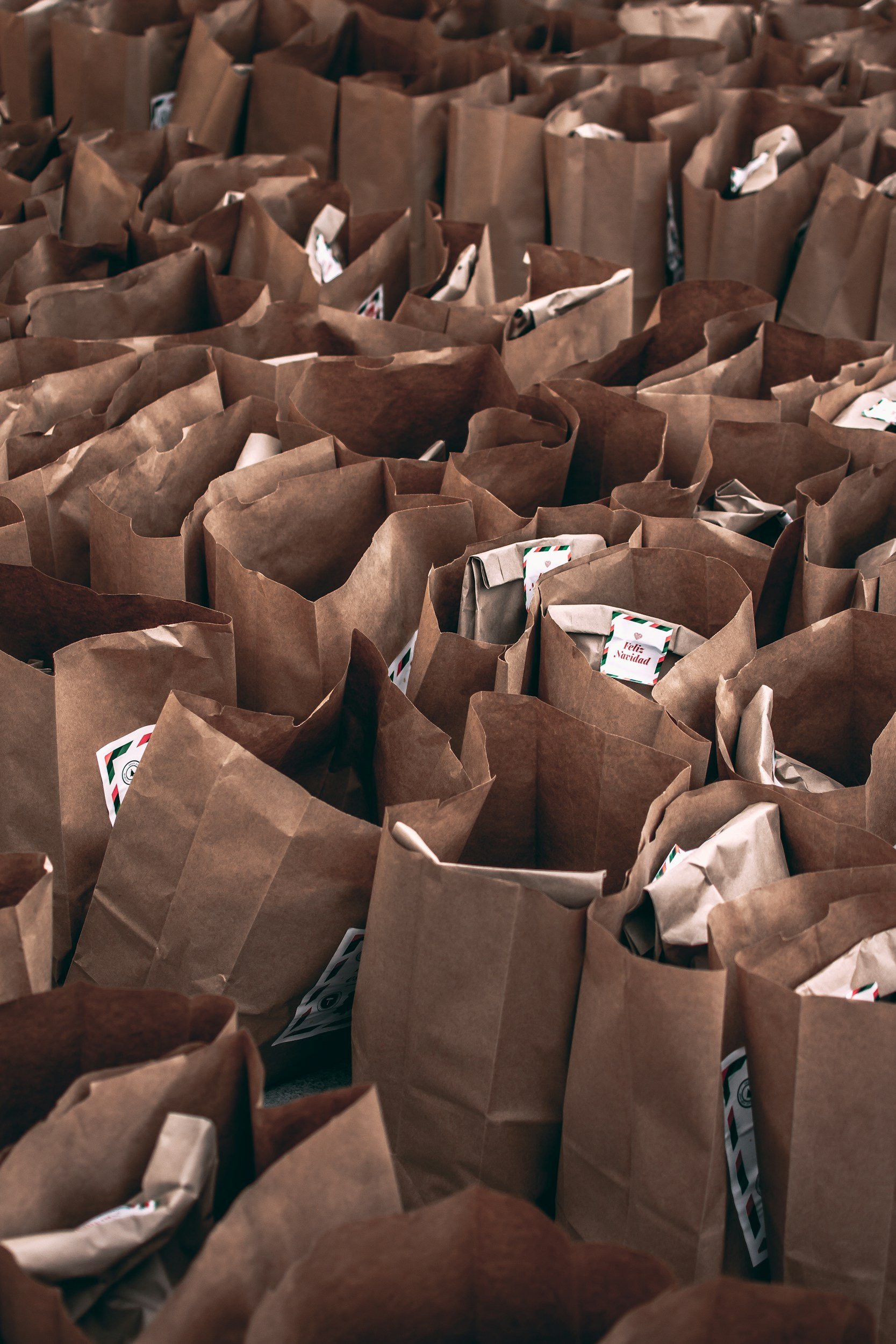
Recently, I had the chance to bring my daughters with me as we gave back, and it meant everything to share that moment with them. We donated 11 pounds of individually wrapped soap. I added a special message on each one: "You matter. Wishing you brighter days ahead." It may have seemed small, but it felt incredibly meaningful—and it made me ask myself, what more can I do?
Helping others, whether through my profession or simply offering a warm meal, has always made me feel whole. That’s why Bode Bars is committed to giving back. We are starting with what we have—soap—but we are also offering the opportunity for you to donate. Any amount you give will go toward providing more soap for shelters.
Lily also spoke to the coordinator at the shelter, who said she was open to any requests from the children. Whether they request characters, shapes, or animals, she is willing to create whatever they would like.
When you donate a bar of soap through our website or contribute a small amount of money, you're giving someone more than soap. You're offering dignity, comfort, and a reminder that someone cares.
Every donated bar goes directly to those who need it most.
Thank you for helping us make a difference—one bar at a time.
-
![Three handmade soap bars in different colors and textures on a gray surface.]()
Thoughtfully Crafted
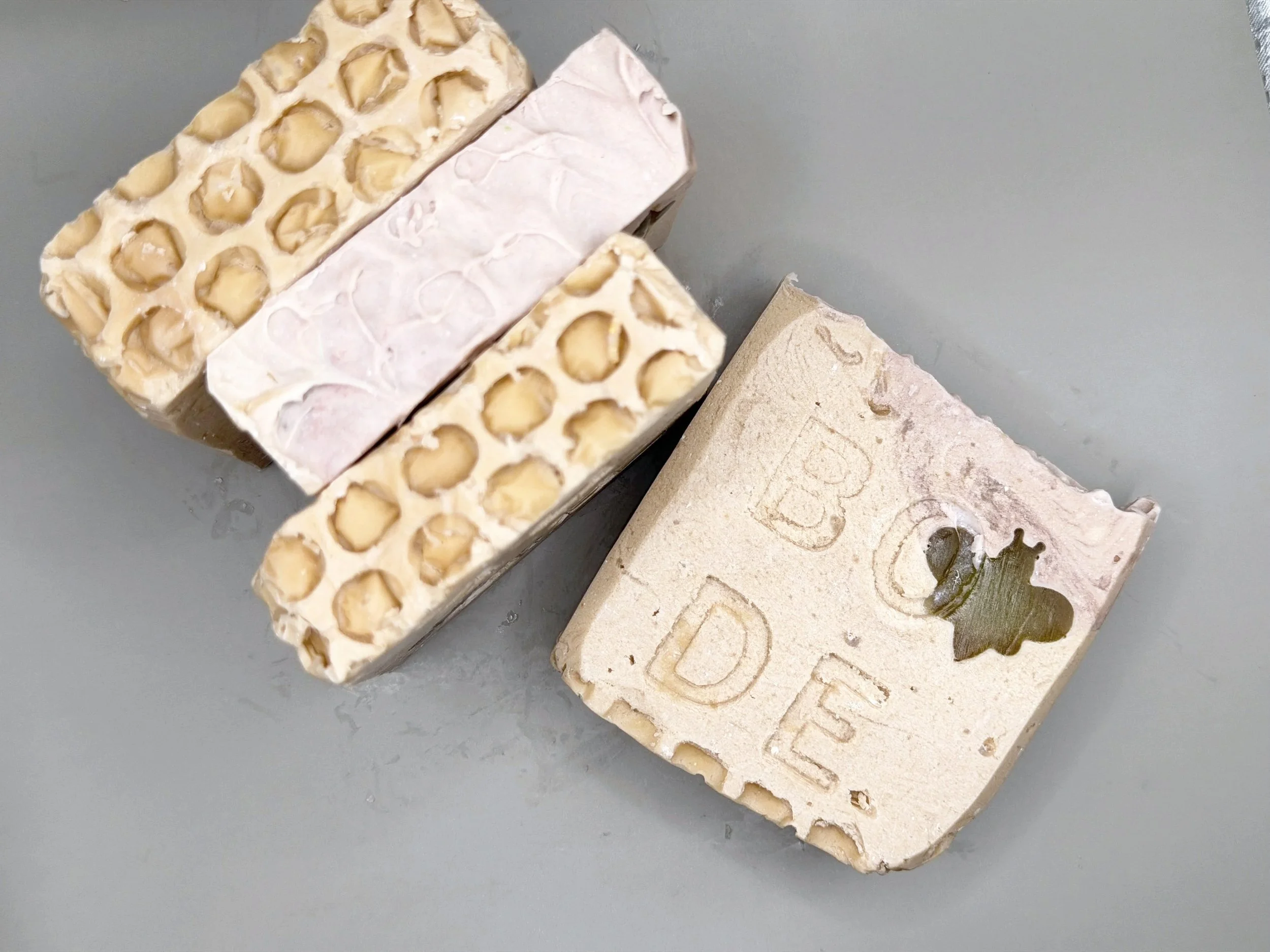
Every recipe starts with a lot of note-taking, testing, tweaking, and sometimes starting over completely. I'm a picky consumer, and I don't buy products just because they're popular.
I create products the same way I shop for them—with high expectations. If it doesn't feel great on my skin, it doesn't make it onto our shelves.
-
![A basket of green and yellow soap bars with a pineapple in the background.]()
Ingredients With Purpose
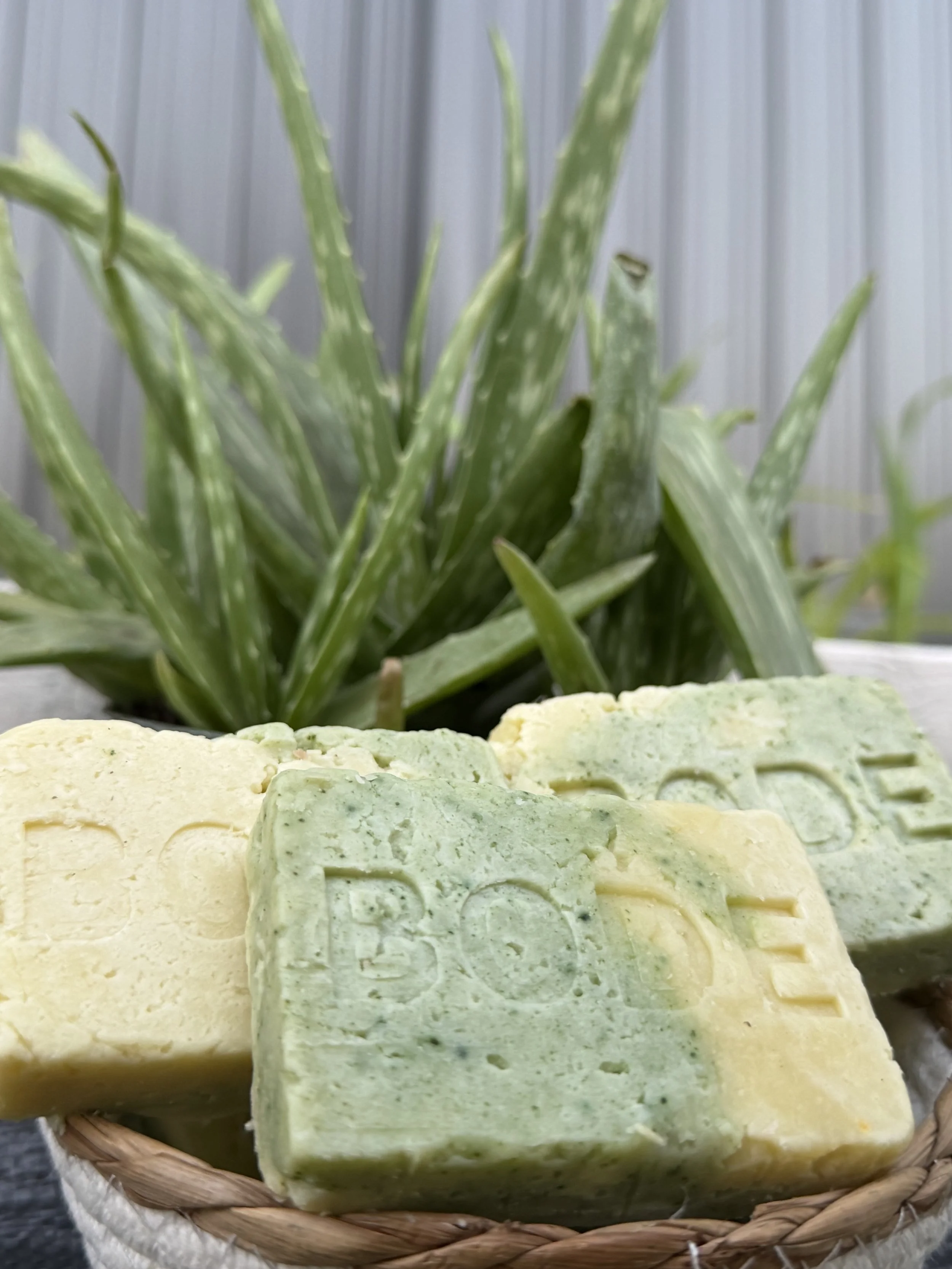
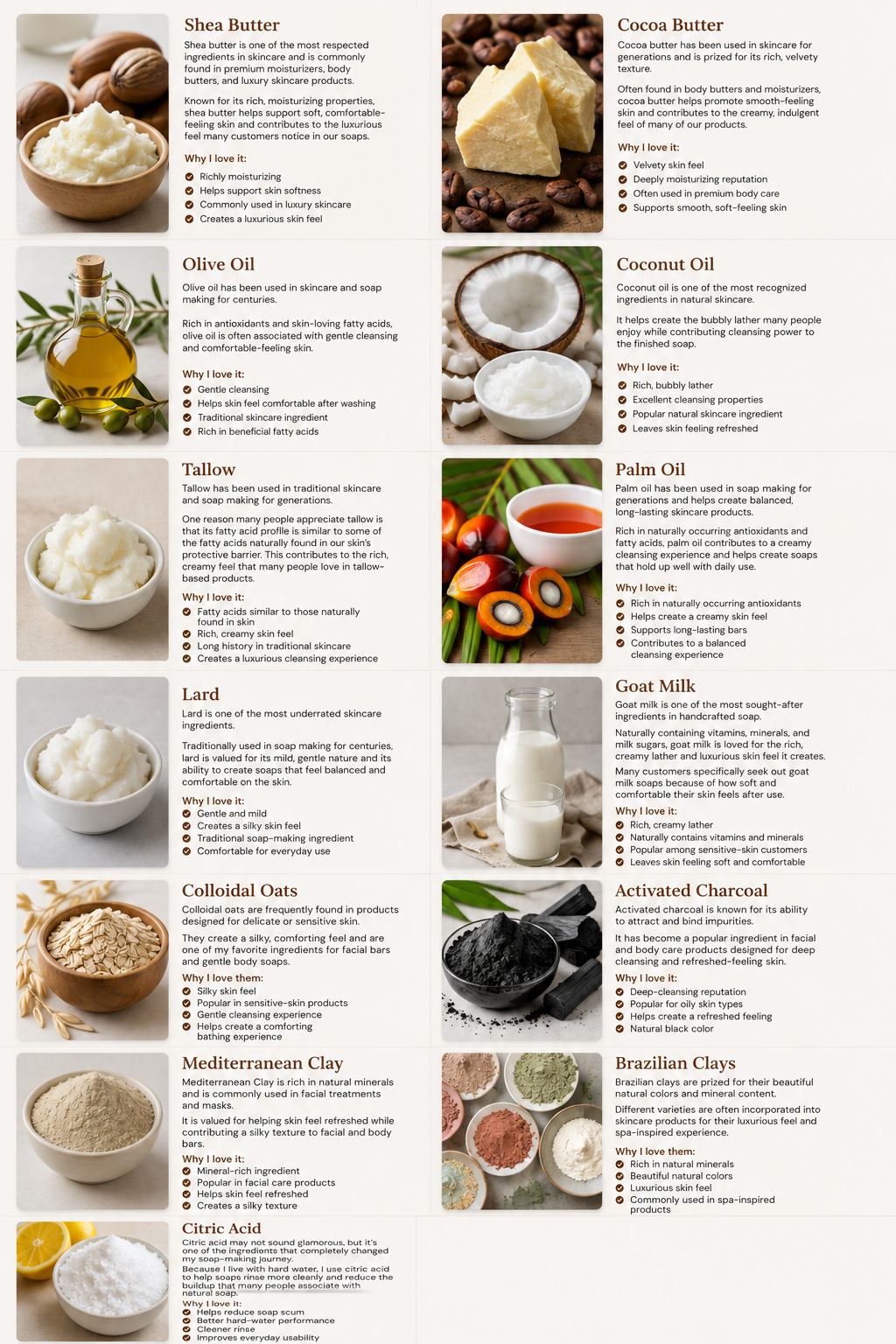
Every ingredient earns its place in our recipes. From goat milk and colloidal oats to shea butter and garden-grown botanicals, we carefully select ingredients based on how they contribute to the final experience—not because they're trendy.
-
![A woman and two girls at an outdoor event holding a colorful sign that reads 'TRY OUR SOAPS, YOU'LL LOVE THEM #BODEBABE'. They are smiling and standing under a tent, with market stalls and lights visible in the background.]()
More Than Soap
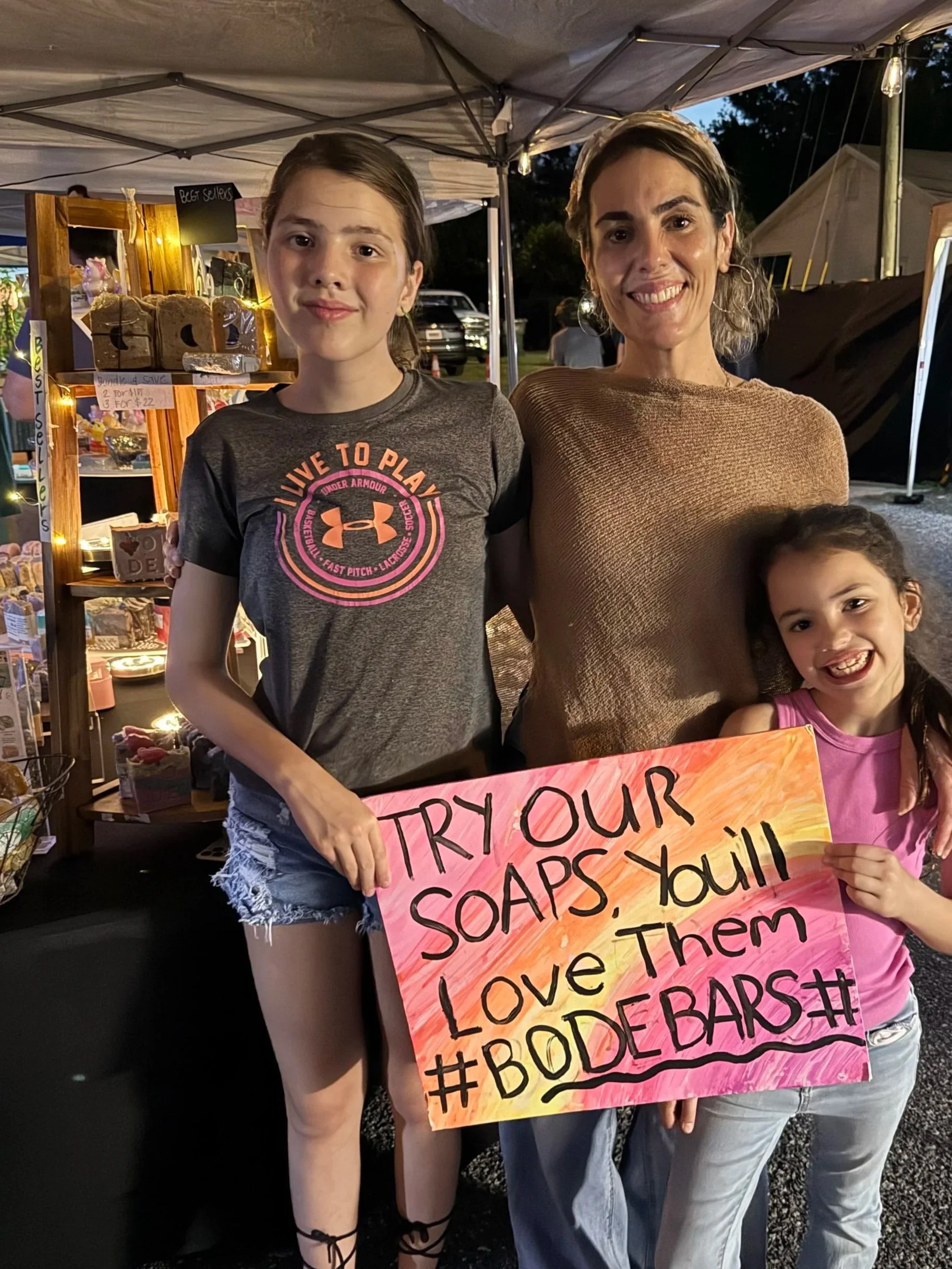
When people see our booth at a market, they see pretty soaps, bath products, and smiling faces.
What they don't always see is the work behind it.
They don't see us sweating while unloading boxes in the Florida heat. They don't see the tents being set up, tables being carried, products being arranged, and last-minute labels being attached the night before.
They don't see Isabelle testing products and giving her brutally honest reviews. They don't see Lily helping package orders, count inventory, and come up with new ideas. They don't see the late nights at the kitchen table when we're all working together after a long day.
And honestly, that's my favorite part.
As a working mom, there were plenty of years when I came home exhausted, trying to squeeze family time into whatever hours were left in the day. Bode Bars changed that.
Now our weekends are spent creating, packing, lifting, laughing, learning, problem-solving, and sometimes sweating together in the Florida sun.
Yes, we're building a small business.
But more importantly, we're building memories, teaching responsibility, supporting each other, and growing stronger as a family.
Every bar we sell has been touched by the hands of people who love each other.
And while I'm proud of the products we make, I'm even more proud of the family standing behind them. ❤️
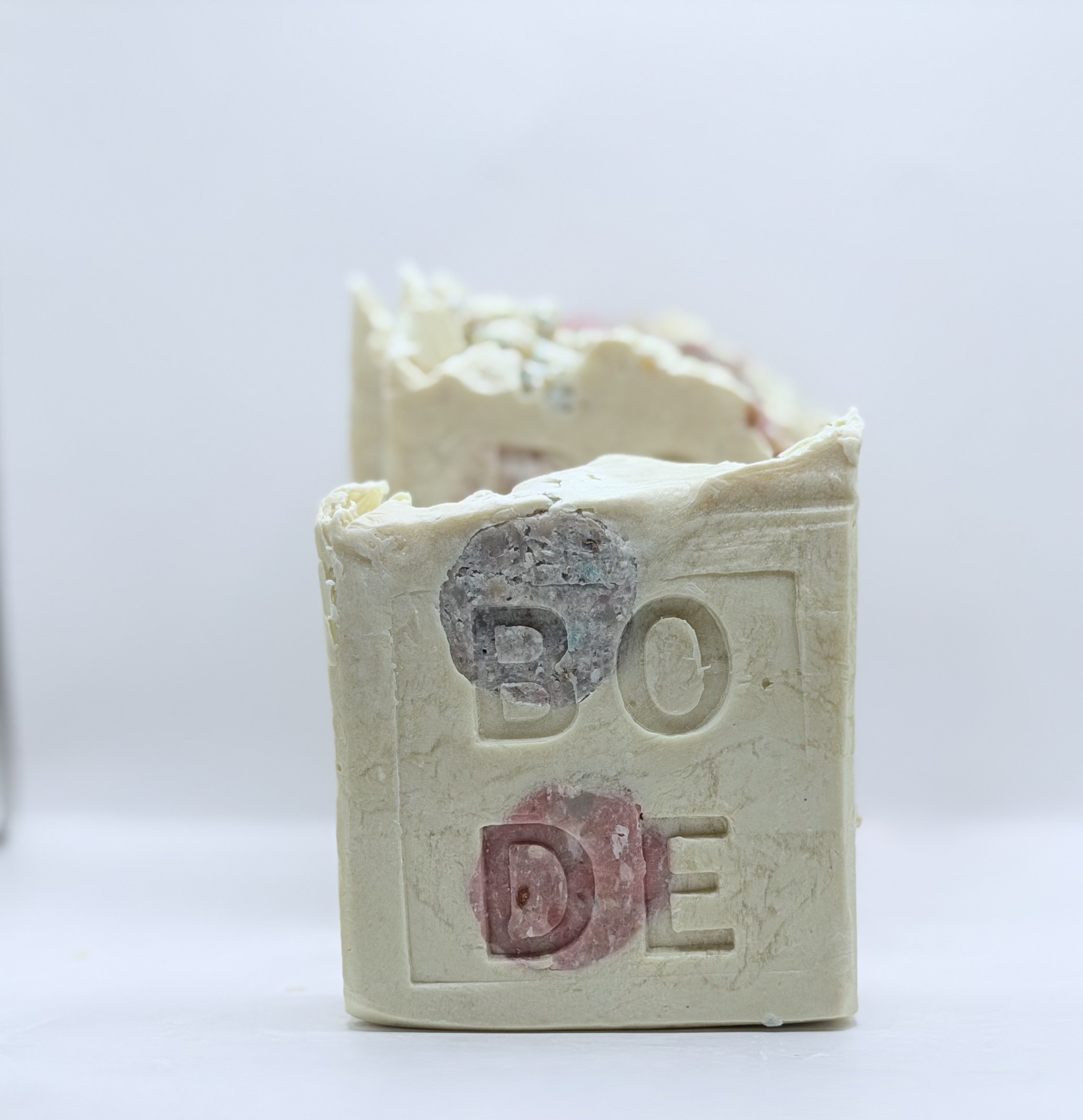
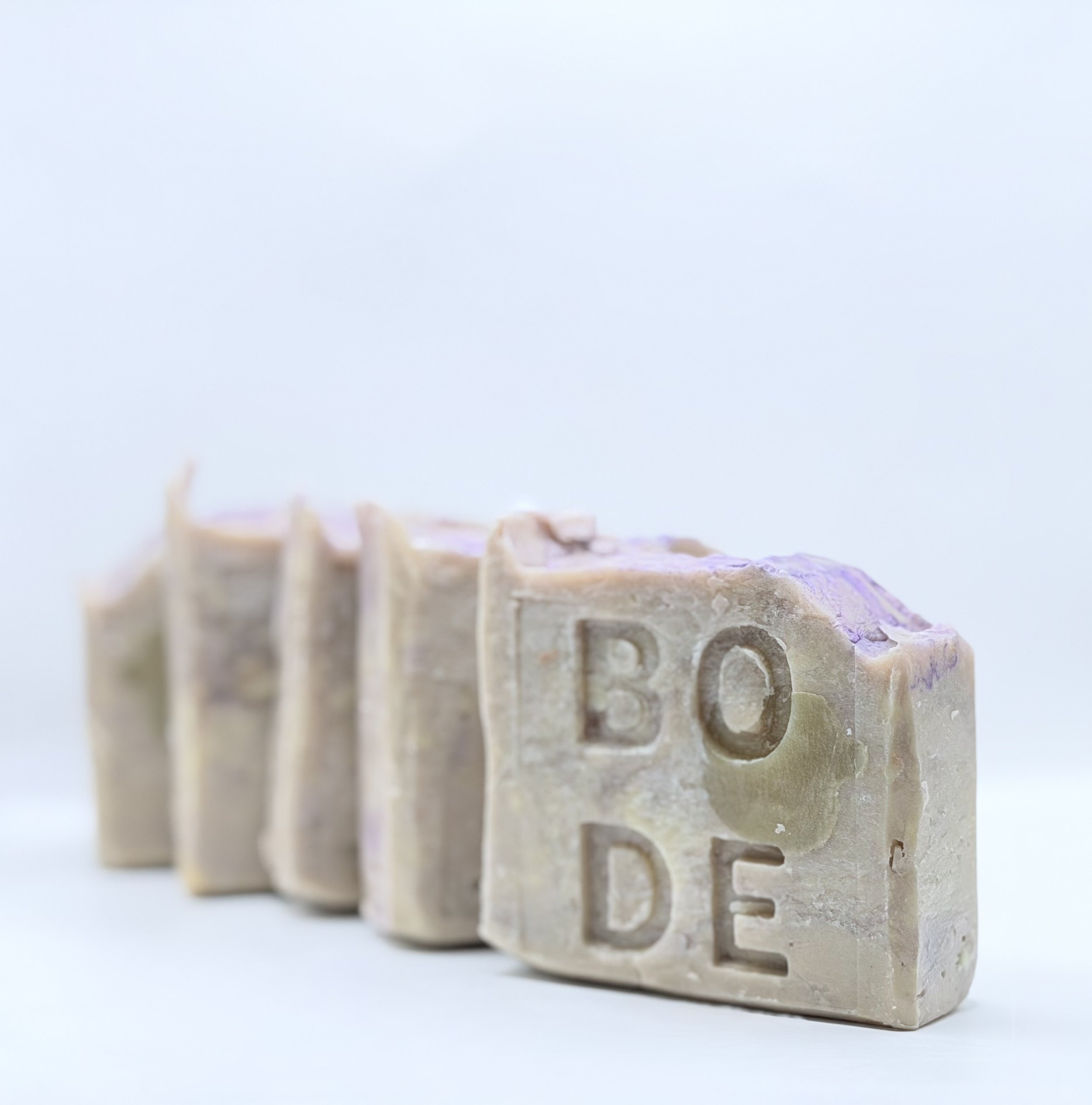
Made With Purpose
What started as a family project has grown into an opportunity to give back. Along with creating products we love, we're proud to donate handcrafted soaps to local shelters and organizations serving families and individuals in need.
Because everyone deserves a clean start.
Giving Back
What began as a search for a better soap became an opportunity to give back. Through local donations, we're able to share a little comfort, dignity, and kindness—one bar at a time.
Frequently asked questions.
-
Many commercial soaps and body washes contain synthetic detergents, stabilizers, preservatives, and fillers designed to maximize shelf life and manufacturing efficiency.
Our bars are handcrafted in small batches using ingredients like goat milk, colloidal oats, clays, natural oils, butters, and botanical ingredients. Rather than formulating for the lowest cost, we formulate for how the soap actually feels on your skin.
We test every recipe ourselves and continuously refine our formulas to create a rich lather, a clean rinse, and skin that feels clean—not stripped.
-
Many of our bars are formulated with colloidal oats, goat milk, tallow, aloe, and gentle oils. We also offer fragrance-free options for customers with sensitive skin.
-
Absolutely.
I used Dove for most of my life. I loved the idea of natural soap—the rustic look, the scents, the craftsmanship—but every natural soap I tried seemed to leave my skin feeling dry, tight, or stripped. As a consumer, I often found myself thinking, "I wouldn't buy this soap again." For a long time, I never seriously considered switching to natural soap. That changed when I started making my own. The first few batches weren't much different from what I had already experienced. I followed recipes exactly as written—which anyone who knows me knows is not something I do very well—but even then, the bars still felt rough and drying on my skin. That's when I started digging deeper. I spent countless hours researching ingredients, water quality, fatty acid profiles, additives, and formulation techniques. Along the way, I realized that many soap makers don't always share every detail of their process, so I continued experimenting and testing until I developed what has become my master recipe. Today, nearly every bath and body product I use comes from our own shelves.
-
Most Bode Bars last approximately 2–3 weeks with daily use, though some recipes naturally last longer than others.
The lifespan of a soap bar depends on several factors, including the ingredients used, how often it's used, and whether it's allowed to dry between uses. Some oils and butters create a very hard bar, while others contribute conditioning qualities, creamy lather, or skin feel.
One reason I spent so much time developing my recipes was finding the right balance between longevity, lather, and how the soap feels on your skin. A bar that lasts forever isn't much good if it leaves your skin feeling dry, and a bar that feels amazing isn't much good if it disappears in a week.
For me, the goal is balance.
To help your bar last as long as possible, keep it on a draining soap dish and allow it to dry between uses. A well-cared-for bar will always outlast one sitting in a puddle of water.
-
Every Bode Bars product is made right in our own kitchen in Lakeland, Florida. We thoroughly clean and sanitize our equipment, molds, and work areas between batches and take pride in making products in small batches where quality comes first. Being a small family business allows us to stay hands-on with every bar, scrub, bath tea, and bath bomb that leaves our home.
But the biggest benefit of making our products at home has nothing to do with soap.
Like many working parents, I spend long hours at my full-time job and often get home close to my daughters' bedtime. Bode Bars has given us something incredibly valuable: time together.
Our soap-making days are some of my favorite days. We're measuring ingredients, pouring molds, packaging products, labeling bars, laughing, learning, and creating side by side. Some of our best conversations happen around a soap pot or a table full of labels.
-
True soap is naturally alkaline. That's simply the chemistry of soap making. A high pH doesn't automatically mean a soap is harsh, just as a lower pH doesn't automatically mean a product is gentle.
To help balance this, I use more butter in my soaps, like shea butter and cocoa butter, to keep the bars feeling gentle and comfortable on the skin.
What matters is the entire recipe. The oils, butters, additives, cure time, and overall formulation all play a role in how a soap feels on your skin.
-
Hard water and natural soap don't always get along.
Living in Florida, I struggled with soap scum and residue myself, so I made it a priority when developing my recipes. That's why I use ingredients like citric acid to help my soaps perform better in hard water.
Sometimes it's not the soap—it's the water.
-
Because "good enough" isn't good enough for me.
I can't tell you how many batches have gone right back into the crockpot.
Friends and family often tell me a soap is great, but if it feels drying, leaves residue, doesn't lather the way I want, or simply doesn't feel special enough, I keep working on it.
Many of my favorite products today exist because earlier versions weren't good enough.
-
Facial skin is different from the skin on the rest of your body.
Our facial bars are formulated with ingredients chosen specifically for facial use and often include ingredients such as colloidal oats, specialty clays, aloe, kojic acid, vitamins, and botanical additives.
Body bars are designed for everyday cleansing and often focus on lather, longevity, and overall skin feel.
Could you wash your face with a body bar? Absolutely. But I formulate facial bars to give your face a little extra attention.
-
Bode Bars products may contain goat milk, tallow, lard, olive oil, coconut oil, shea butter, cocoa butter, castor oil, colloidal oats, activated charcoal, clays, essential oils, and botanicals. Each product page lists its specific ingredients.
-
Yes. While many of our products feature goat milk, tallow, or lard, we also offer vegan soaps made with plant-based oils, clays, botanicals, and essential oils.
-
Bode Bars products are available online at BodeBars.com and at select markets and events throughout Lakeland and Polk County, Florida.
From My Garden To Your Skin
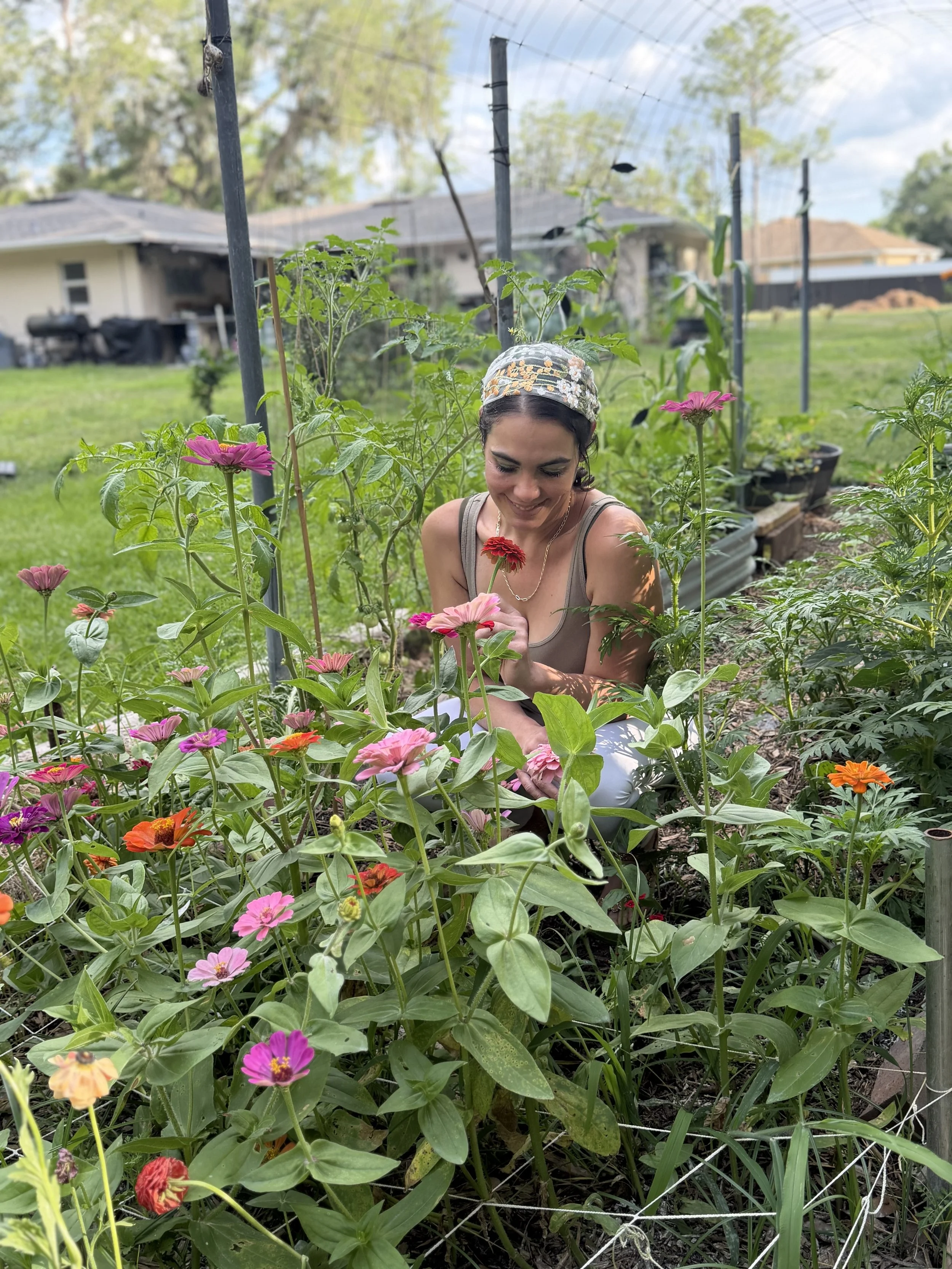
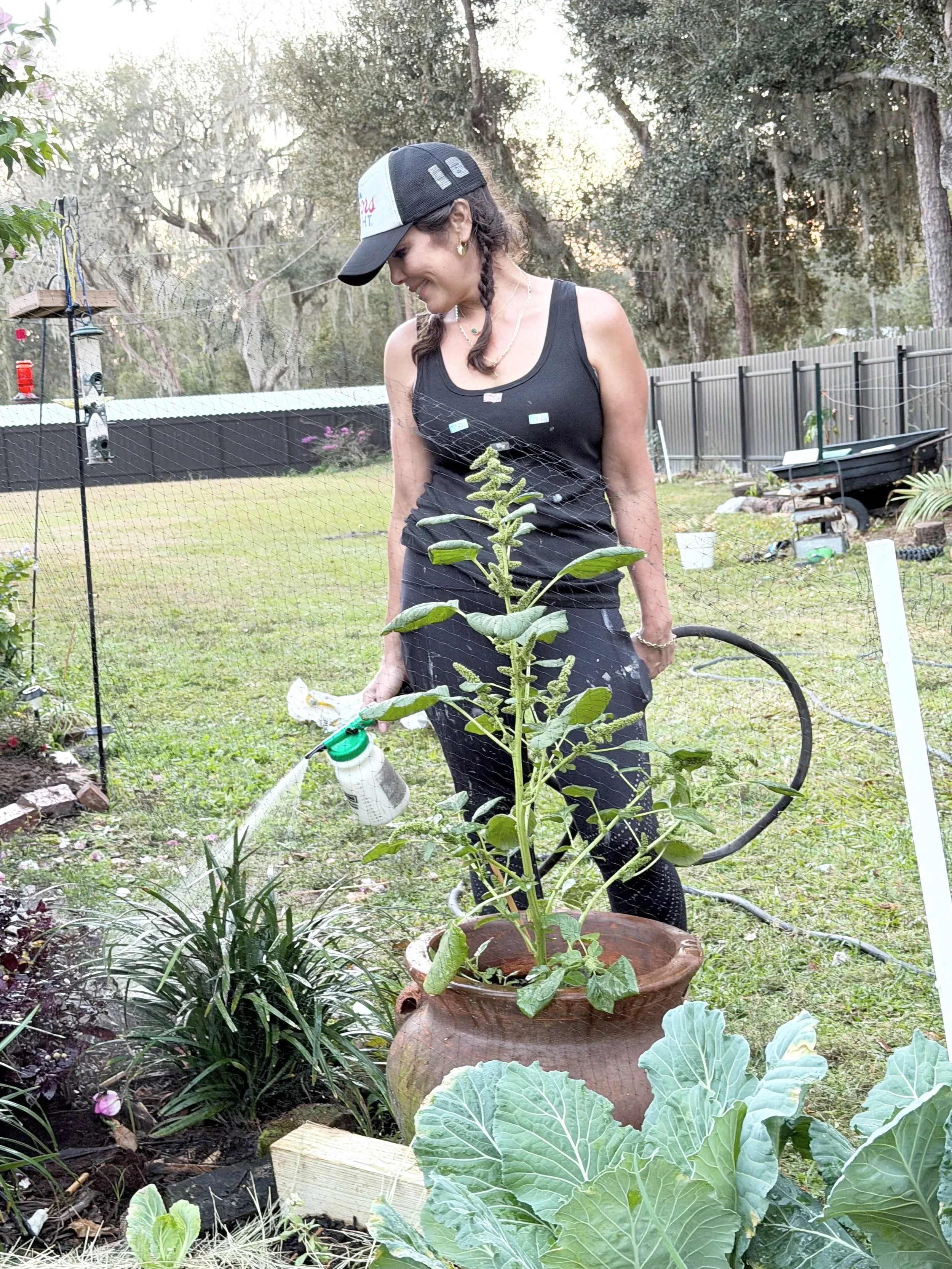
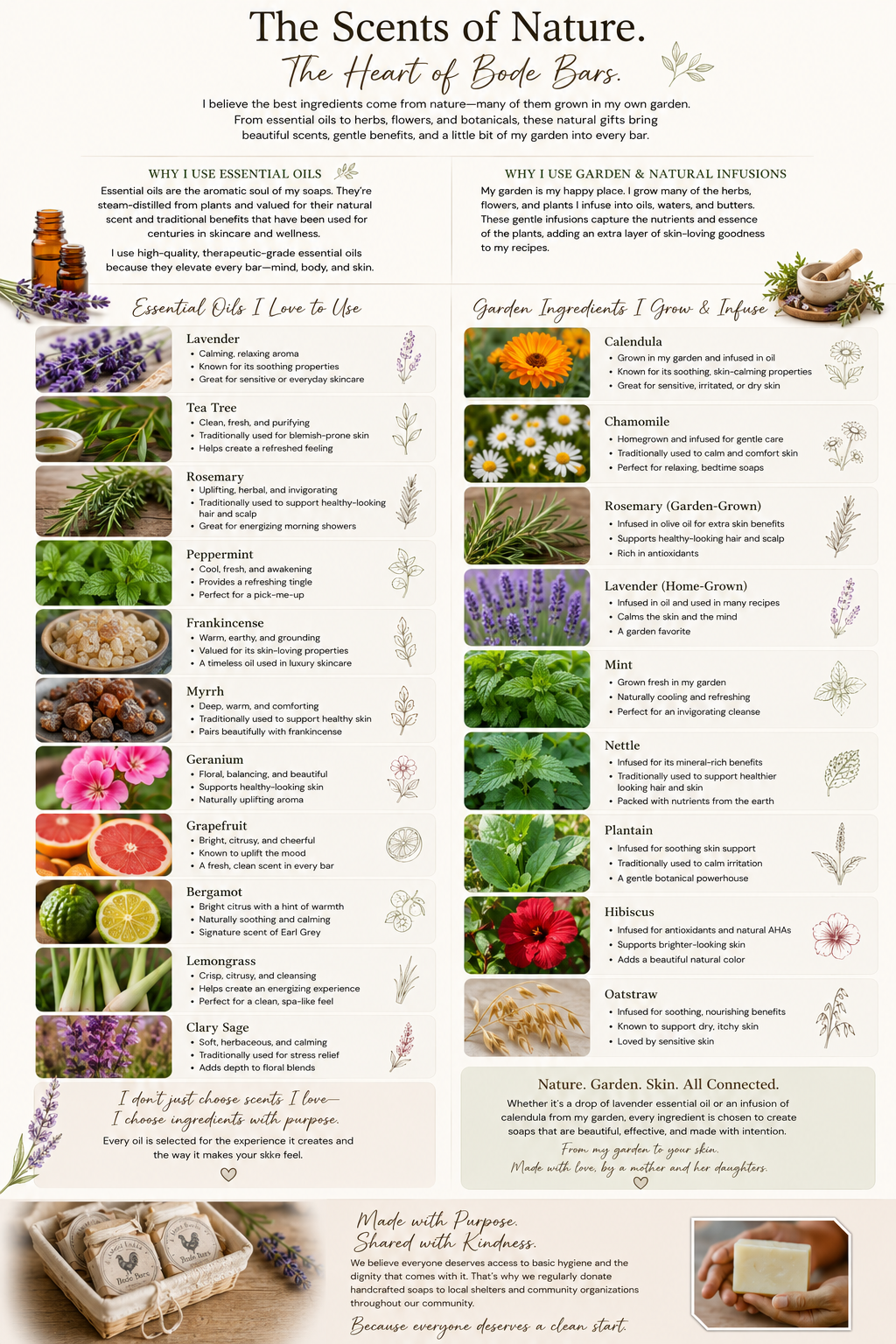
Many of the herbs, flowers, and botanicals used throughout Bode Bars products are grown in my own Florida garden.
From rosemary and mint to chamomile, aloe, lavender, hibiscus, and seasonal botanicals, I love incorporating ingredients I grow myself whenever possible.
As a gardener, soap maker, and mother, I believe knowing where ingredients come from matters.